Effective date: November 12, 2026
931Cville’s mission is to provide timely local reporting while protecting accuracy, fairness, privacy and the public interest. These standards apply to articles, live updates, videos, social posts, photographs, interviews, sponsored content and community submissions.
Accuracy, sourcing and attribution
- Verify material facts before publication and identify the responsible agency, document, court record or source whenever practical.
- Distinguish what 931Cville independently verified from what a police department, court, source, organization or social-media user claims.
- Do not publish rumors as news. A denial, accusation or viral post is not proof.
- Headlines, photographs, captions and social previews must not state more than the verified article supports.
- Seek a meaningful response from a person or organization accused of serious wrongdoing and accurately state whether a response was received.
Allegations, arrests and court cases
An arrest, charge, lawsuit, complaint or indictment is an accusation, not proof of guilt or liability. Crime and court coverage should identify the official source, use allegation language, include a relevant denial or response, and state that an accused person is presumed innocent unless and until proven guilty. Stories should be updated when charges are dismissed, a person is acquitted or convicted, a civil case is resolved, or an official investigation ends.
Mugshots will not be published merely for attention or embarrassment. Publication requires a legitimate public-safety or public-interest reason, verified official provenance, accurate charge/status information and a follow-up plan.
Minors, victims and sensitive information
931Cville generally avoids identifying minors connected to sexual allegations, abuse, juvenile proceedings or other sensitive matters unless identification is necessary for an active safety alert or a compelling public-interest reason. Sexual-assault complainants are not identified without informed consent and careful editorial review. Medical, mental-health, financial, home-address and other highly private details are minimized unless essential to the story.
Missing-person and safety alerts
Missing-person information is published to assist an active public-safety request. When a person is found or the alert ends, 931Cville will update the headline and remove unnecessary photographs, health details, location trails and other identifying information, especially when a juvenile is involved.
Anonymous and confidential sources
Anonymous sources are used only when the information serves a public interest and the source may face a legitimate risk from identification. Editors must know the source’s identity and evaluate the source’s access, motive and corroboration. 931Cville will not promise legal protection it cannot guarantee. Ordinary forms, email and social-media messages are not automatically confidential.
Developing stories and live updates
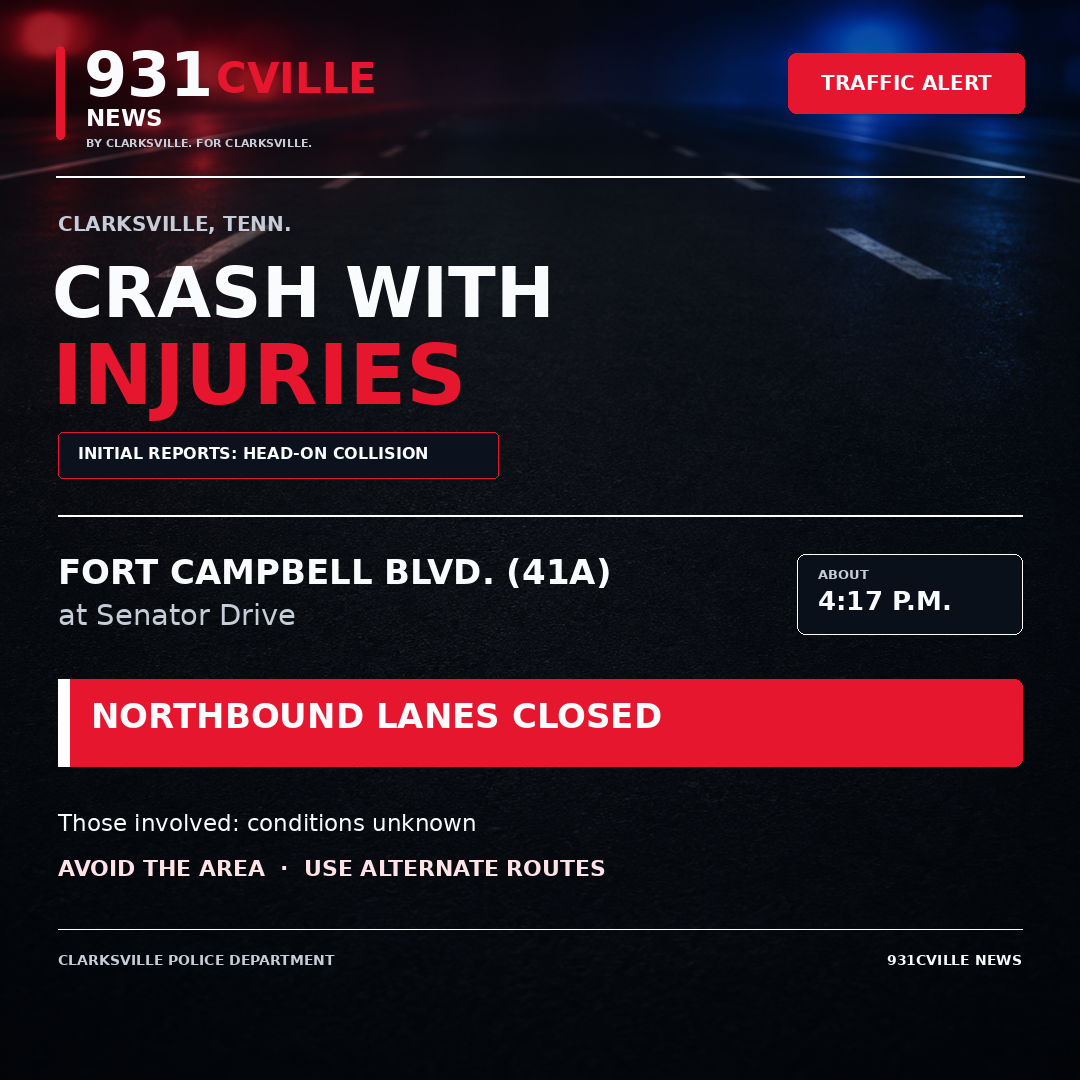
Developing coverage may publish confirmed information before every detail is known. Each update should carry a clear time, verification status and source. Material changes should explain what changed; inaccurate information should be corrected rather than silently rewritten. Road reopenings, found-safe notices, court outcomes and final agency updates should be added promptly.
Corrections, clarifications and responses
To report a possible error, identify the article URL, the specific statement and supporting information. Substantive corrections will be placed on the affected article with an editor’s note explaining the change. Requests are reviewed promptly, but criticism or disagreement alone does not require removal of accurate reporting.
Advertising, partnerships and political content
Paid or value-exchanged content must be clearly labeled before a reader opens it and on the article itself. Labels such as Paid Advertisement, Sponsored Advertising Content or Paid Political Advertisement are used consistently. Advertising relationships do not determine editorial coverage. Covered political advertising must identify the payer and include any legally required authorization statement.
Photos, video, audio and copyright
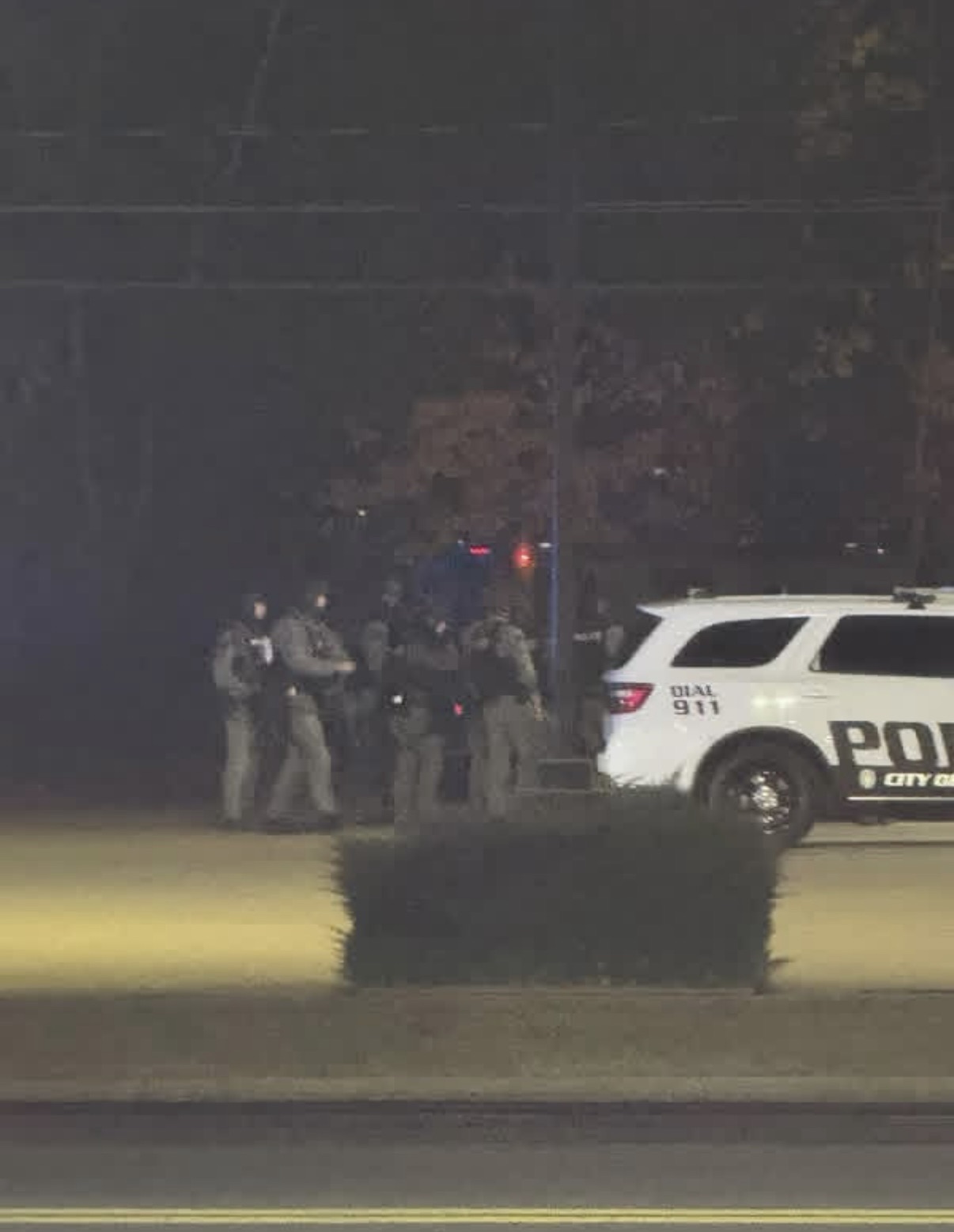
Staff and contributors must document the creator and publication rights for photographs, videos, recordings, screenshots and music. Credit does not replace permission. Recording must be lawful, and informed interview consent should be obtained whenever practical. Material from public meetings or government feeds is still reviewed for usage restrictions, privacy and accuracy.
Artificial intelligence
AI tools may assist with transcription, organization, spelling, research leads or production, but they are not treated as a source. A human is responsible for verifying every publishable fact. 931Cville will not use AI to fabricate quotations, evidence, news photographs or events.
Conflicts and independence
Reporters and decision-makers should disclose financial, family, campaign, employment or partnership interests that could reasonably affect coverage. When a conflict cannot be avoided, it should be disclosed to readers or the coverage reassigned.
Related policies
Contact the newsroom
Email newsroom.931cville@gmail.com or call 931-419-5558. For emergencies, call 911.